KENYAN COAST
Indented by mangrove-lined creeks and shaded by coconut palms, the coast blends the colors of the tropics with the sparkling blue Indian Ocean.
Kenya’s coastal climate
If Kenya’s upcountry safari regions can sometimes feel surprisingly mild and even chilly on an early or late game drive, the coast will give you a big helping of serious equatorial climate. It’s rarely less than warm, even at night, while the middle hours of the day at certain times of year can be as hot as a furnace, and humid to boot. Fortunately there’s usually a gentle zephyr of a breeze, blowing onshore from the Indian Ocean, and sometimes a full-on, flapping wind, making for excellent wind- and kite-surfing conditions.
The Kenya coast’s geography and wildlife
The landscape of the shoreline and immediate coastal hinterland of Kenya is dominated by the fringing coral reef that parallels the coast for most of its length. Millions of years old, the living reef at the edge of the lagoon is just the youngest element of this landscape: most of the countryside inland from the beach sits on coral rock – the remains of ancient coral reef that was once submerged by the ocean – and it’s like a honeycomb, notoriously full of caves and holes, some leading straight down from ground level. Ali Barbour’s Cave Restaurant, the popular restaurant at Diani Beach, is built in a huge underground cave, and there are similar caves inland from Watamu and at Shimoni, where they were used to hold slaves captive. As well as the sandy beach and coconut palms, the coast features lots of meandering creeks and several areas of tidal mud flats (notably at Mida Creek near Watamu) where low forests of salt-tolerant mangrove trees cover large areas and create a distinctive ecological zone.
If you’re looking for tropical forests, you’ll find most of Kenya’s lowland forests are concentrated just inland from the coast. As well as the kaya sacred forests, such as Kaya Kinondo along Diani Beach (now open to the public – see below), if you have the time you could explore the Ramisi River Forest in the far south, near Funzi Keys, the forests of the Shimba Hills area, the Sabaki River forest north of Malindi and the coast’s largest forest, now protected as the 420km² Arabuko-Sokoke National Park, south of Malindi. The forest, which sheltered the mysterious town of Gedi for centuries, includes feathery miombo (Brachystegia) woodland (home to a diverse range of birds), glossy and dense Cynometra forest, and mixed lowland rainforest rich in plants and insects and a variety of small mammals.
While Kenya’s coastal wildlife is mostly not the big-game variety (Shimba Hills National Park is an exception and is home to elephants, buffalos, giraffe, several species of antelopes and leopards), smaller mammals are widespread, with monkeys particularly common. You’ll see troops of baboons at the roadside and vervet and Sykes’ monkeys, making a nuisance of themselves in hotel gardens. In the forests at Diani Beach several troops of spectacular colobus monkeys are a big attraction; you’ll see the colo-bridges constructed by local conservationists, strung between trees from one side of the road to the other, allowing the monkeys to cross safely. If you’re visiting the atmospheric ruins of Gedi, near Watamu, look out for the rare golden-rumped elephant shrew, an extraordinary mash-up of a creature, with a sensitive proboscis and stilt-like legs, that you may see foraging through the undergrowth accompanied by a bird called the red-capped robin chat, which alerts it to danger and picks up insects in its trail.
History and culture of the Kenya coast
Kenya’s first contacts with the wider world were along its coastline. The monsoon winds dictated the Indian Ocean’s annual trading calendar: merchant ships arrived from the Persian Gulf and the Arabian peninsula, but had to wait for the annual change in the wind to return home. So they anchored here, in Kenya’s creeks and ports, for months at a time. Such a long stay in Kenya might turn anyone’s head and, every season, some visitors chose to settle on the coast.
Over the course of the first millennium AD, Swahili society was born – still today a vibrant and complex cultural mix of African roots and imported styles; a classic Bantu language with hundreds of Arabic loan words; and a highly nuanced class structure in which claims of overseas ancestry are as critical to high-status families as they are to the ‘Norman’ aristocracy in Britain or to American descendants of the Mayflower pilgrims.
You can see the historical vestiges of Swahili culture in the fascinating ruins of Gedi, hacked out of the jungle near Watamu, and in numerous smaller ruined mosques and other sites scattered along the coast, especially in the Lamu archipelago. Swahili culture is also apparent in the black buibui gowns worn by many women (a style that arrived from Arabia in the 1930s), in the type of fishing and trading vessels used here, in food and drink and a hundred other cultural facets from music to architecture. The Kenya coast is almost entirely Muslim, but the religion has always been tolerantly interpreted here and you are unlikely to meet any attitudes more disturbing than occasional indifference to visitors. Just as around the rest of the country, the majority of people are effusively welcoming and helpful.
As well as the Swahili culture of the coastal towns and villages, there’s another coastal culture – the culture of the nine local tribes (the Mijikenda) who didn’t intermarry with foreign visitors, but stayed a little inland, based in the forest around their sacred groves, or kaya. At Diani Beach you can visit the first fully accessible kaya, Kaya Kinondo, with a knowledgeable local guide, and explore the forest world of the first coastal inhabitants, with its fascinating fauna and flora.
Where to stay on the Kenya coast
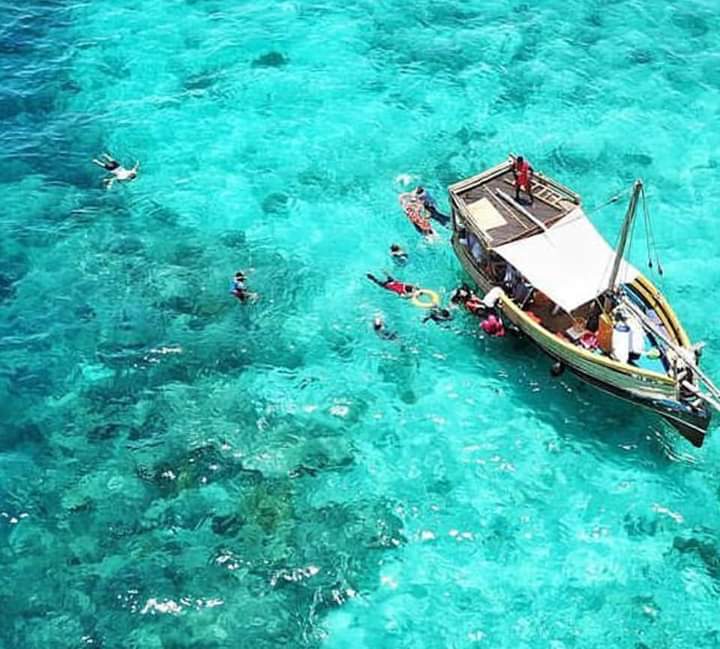
Absorbing as coastal culture can be, most visitors are here for the beaches, many of which can match tropical seashores almost anywhere in the world, with powdery fine sand, and sea that is safe and blissfully warm and can be crystal clear in the right season (see the Kenya climate page). Kenya’s coast is protected for nearly its entire length by a major barrier reef, which has created a broad, sheltered lagoon for most of its length, where the reef is anything from 50m to 1km from the shore.
Although many people refer to ‘Mombasa’ as if it were synonymous with the Kenyan coast, the country’s Indian Ocean coastline divides into a number of quite distinct regions. Mombasa island is the hub, with Watamu, Malindi and Lamu to the north, and Tiwi, Diani, Msambweni and Funzi island to the south.
Mombasa
The island city of Mombasa, surrounded by creeks and East Africa’s biggest port, is shabby and dilapidated, but not lacking in atmosphere. It’s fun to visit 16th-century Fort Jesus, built by the Portuguese, and shop in the alleys of the old city – though don’t expect a Middle-Eastern-style warren of souks. The suburban district north of Mombasa has most of the Mombasa hotels used by charter package tours and overall feels a bit over-developed and hustly, though Nyali has some quieter corners.
Watamu Beach
After Mombasa’s suburban sprawl has finally fizzled out, the coast road crosses the blue waters of Kilifi Creek and the next significant resort area is the much quieter resort of Watamu, a low-key peninsula stretched along a beautifully sculpted coastline of old coral islands and headlands with the deep mangrove creek of Mida Creek behind it. Watamu has a small, traditional village, and there’s an excellent beach here and good diving and snorkelling, plus some wonderful excursions for wildlife and culture enthusiasts in the shape of the Arabuko-Sokoke National Park and the ruins of Gedi.
Malindi
The animated town of Malindi, which has some of the nicest hotels on the coast, is a 30-minute drive north of Watamu, partly through the eastern part of the Arabuko-Sokoke forest. Malindi is growing quite fast, but it has retained one of the most appealing town centres in Kenya, where a good-humoured mix of tourists, locals hustling tourists and locals going about their business generally get on very well. The town is located just south of the mouth of the Sabaki River (which rises in the highlands as the Athi and flows through Tsavo East as the Galana) and is set back from the extensive sands of the town beach. Most Malindi beach hotels are located round the rocky headland of Vasco da Gama Point, a short way to the south, where the beach is prettier and the sea clearer.
.

Activities to do in Coast
The Coastal Region also known the Kenyan coast, the country’s Indian Ocean coastline divides into a number of quite distinct regions. Mombasa island is the hub (Mainland), and extends to Watamu, Malindi and Lamu to the north, South starts with Tiwi beach, Diani beach, Msambweni and Funzi island to the south.
- Haller Park.
- Fort Jesus Museum.
- Diani Beach, Wasini Island, Chale, Galu & Funzi Island etc
- Day Trip-watamu Marine Park & Sudi Island Mangrove Forest Canoe Ride.
- Mombasa Marine National Park
- Old Town
- Mombasa Tusks.
- Tsavo East, Tsavo West to Kilimanjaro. etc
- Diani Tour- Wasini, Shimba Hills National Park etc
KENYA COAST
Lamu
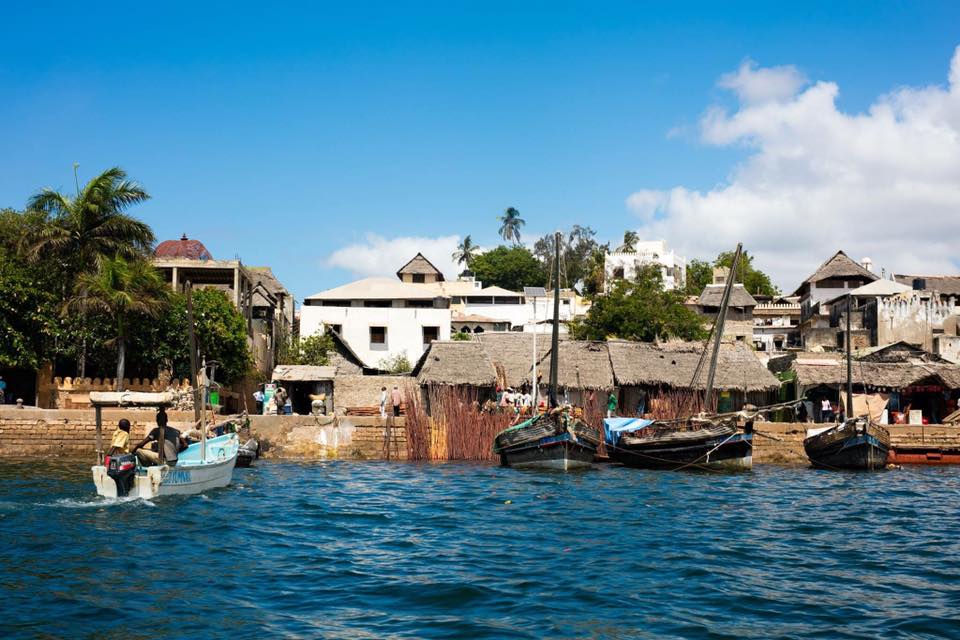
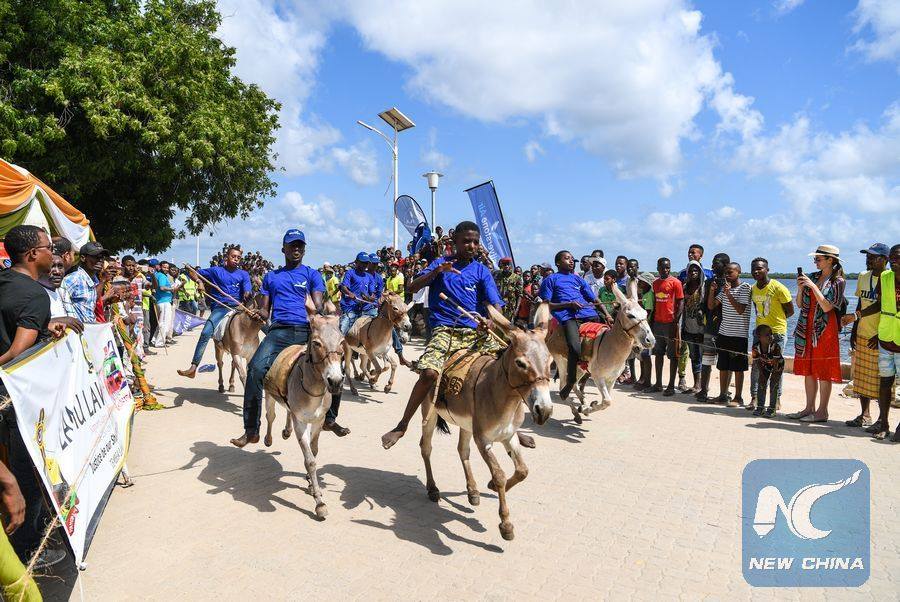
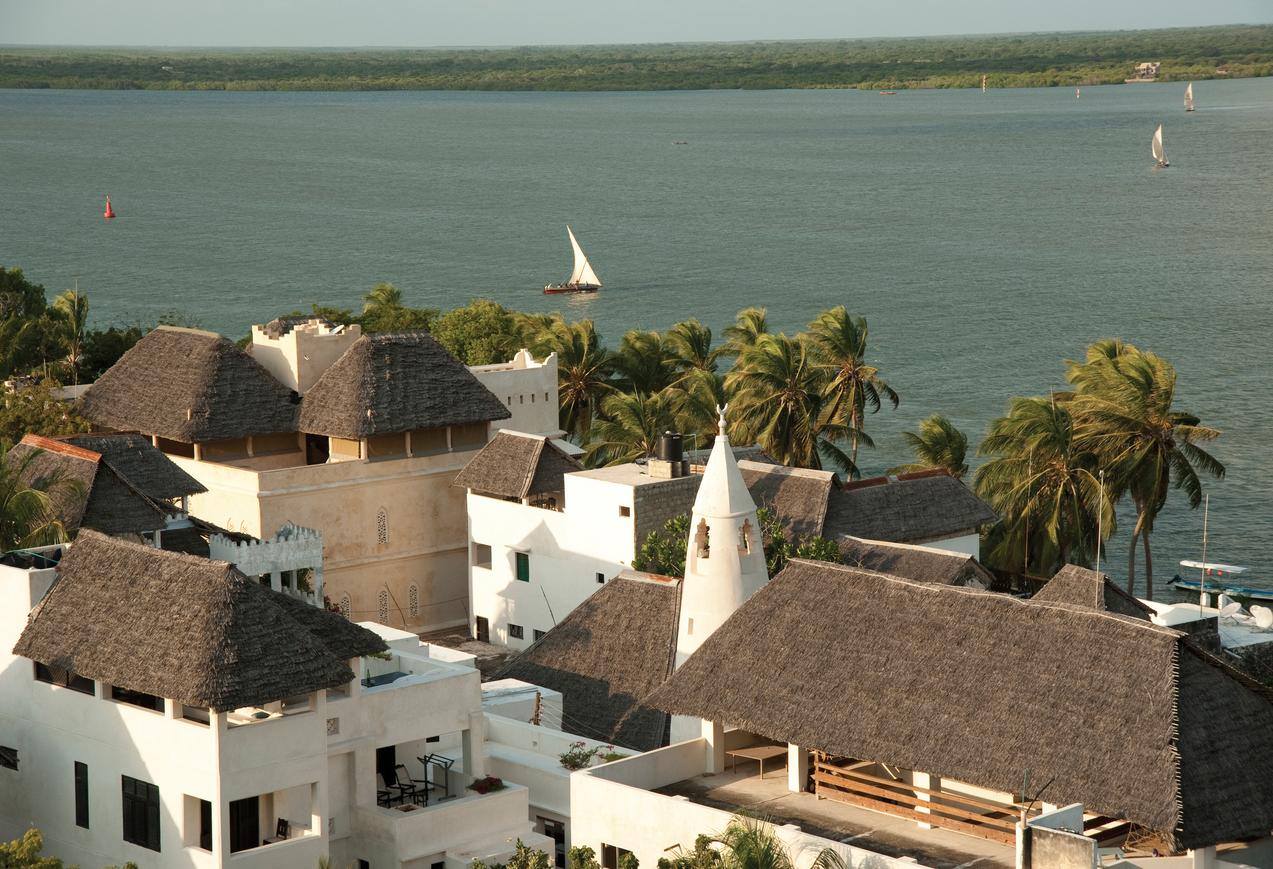
The fabled Lamu archipelago includes the main island of Lamu, and Manda, where the district’s small airport is located, facing Lamu across a wide creek. To the north of Manda, Pate is a larger island, with several small towns, and interesting Swahili ruins, but no visitor facilities. Much further north lies the remote sliver of Kiwaiyu island. Between the islands, swamps of mangrove forest and shallow seas make navigation tricky. Just off the mainland, and somewhat disconnected from the rest of Kenya (there’s still no tarmac road to this northern part of the coast), the islands are a blissfully tranquil retreat from the exertions of safari life. Although small, Lamu town, with its origins in the fourteenth century is, alongside Zanzibar, a major stronghold of Swahili culture. The town still preserves its ancient layout, characteristically tall and narrow Swahili architecture and winding alleys. Apart from the odd motorcycle, there are virtually no vehicles on the islands – people get around on foot, by donkey or by lateen-rigged dhow. Culturally, Lamu displays a distinctive blend of African and Arab influences, its traditions are strong and the daily cycles of prayer calls and tides still dominate life.
If the sense of being slightly adrift is deliciously relaxing (many visitors spend hours in a hammock with a book), there’s plenty to do if you’re feeling energetic, including all the water sports, snorkelling and diving, historical and cultural visits and even a new wildlife reserve on the mainland.
Tiwi Beach
With no tarmac beach road and only one resort-style hotel, most of Tiwi Beach, 20km south of Mombasa, remains reminiscent of Kenya’s coast 40 years ago. It’s popular with people who specifically don’t want lots of facilities and activities and there are relatively few places to stay – most of them simple beach bungalows. One of the benefits is far fewer ‘beach boys’ (the generally innocuous, if often irritating hustlers who try to make a living from tourists), and there are some excellent snorkeling and diving spots.
Diani Beach, Galu Beach and Kinondo Beach
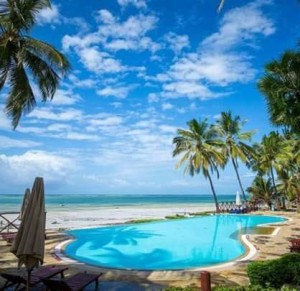
Diani Beach is perhaps the best beach in Kenya – wide, silvery, palm shaded and reef fringed, with some sandbars in the lagoon that are exposed at low tide for excursions from the hotels in dugouts or glass-bottomed boats. There’s a good balance of places to stay, places to eat, sea- and land-based activities, and various spots to drink and party a little. A busy, 12km tarmac beach road runs along the coast behind the beachfront properties, eventually reverting to gravel just north of Pinewood Beach Resort, where Diani Beach actually becomes Galu Beach, and finally turning into a narrow track through the bush when it reaches Kinondo Beach. Competition for beachfront space among dozens of properties (though they are not by any means crowded in international terms) means there’s a real mix of resort-style hotels, mid-sized hotels and guesthouses, and we’ve selected a variety of the best and best-value options. Whatever style of beach stay you’re looking for, we’re likely to have something that’s ideal for you.
Back on the main coastal highway, and heading south, the further you go towards the Tanzanian border, the more rurally relaxed the coast becomes. Msambweni and Funzi, well off the main road, are real backwaters where beach boys and discos are unknown.
Msambweni
Although quite isolated and remote, the fishing village of Msambweni has a fascinating history: it’s the site of an old leprosy hospital that’s still renowned for its medical care in this rural area (though leprosy has been eradicated), while some of the caves in the low cliffs behind the beach were once used to hold slaves. The whole area is thick with coconut palms and very traditional, while the largely deserted beach itself, a short, steep climb down the cliffs via steps or paths, is punctuated by crags of old coral rock poking through the pristine sands.
Funzi Island
Getting to the mangrove-fringed island of Funzi from the mainland – by speedboat through the creeks – is an adventure, and staying in the bewitching environment of sand and tropical vegetation at Funzi Island Lodge is a real escapist dream. You can fish, sail, take a canoe out for a private paddle through the mangroves or go on a boat trip up the Ramisi River, looking for crocodiles and water birds.
Safaris from the Kenya coast
If your holiday is based on the coast, or you’ve finished your safari but like the idea of another day or two of wildlife adventure not too far from your coast hotel, there are several safari options that we can organise.
Shimba Hills National Park
The hilly savannahs and rainforest of Shimba Hills National Park, just 30km inland from Diani Beach, protect Kenya’s only population of sable antelope. As well as this magnificent antelope (one of Africa’s largest, with its impressive, sweeping horns), you’ll commonly see elephants, buffaloes, fish eagles and monkeys, either on game drives or from the decks and walkways of one of the area’s rainforest lodges. Walks to Mwaluganje Elephant Sanctuary and Sheldrick Falls are both highly recommended. A night or two at Shimba Lodge or Kutazama can make a fitting finale to a safari and beach holiday.
Tsavo East National Park
Kenya’s largest national park, Tsavo East National Park, is also the closest protected savannah environment to the coast, with large populations of plains wildlife, including impressive herds of dusty, red-coloured elephants, lions and cheetahs, buffalo, hippos, and plenty of grazers from impala to zebra. Expert Africa offers very good-value safaris by road to our two recommended camps in the park, Galdessa and Satao Camp. You can go for as little as one night, though we wouldn’t recommend less than two and ideally three or four.
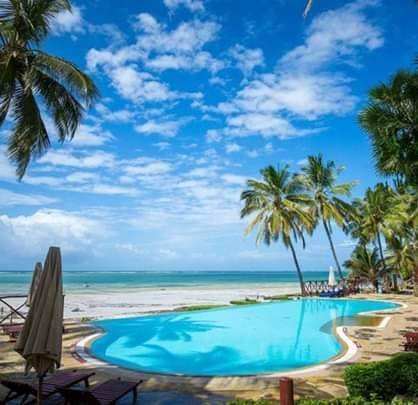
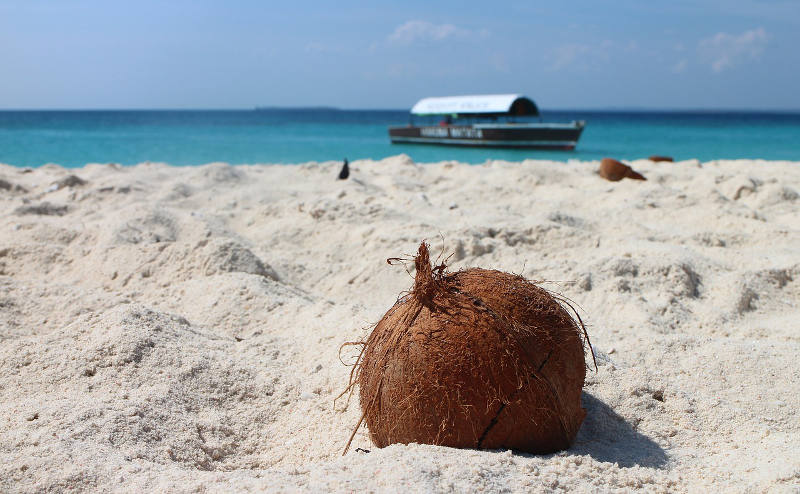
White Sandy Beaches of Diani
Diani Beach is a major beach resort on the Indian Ocean coast of Kenya (in eastern Africa). It is located 30 kilometres (19 mi) south of Mombasa, in the nearby Kwale County. It has been voted Africa’s leading beach destination for the fifth time running since 2015.
Diani can only be reached either by plane or road by passing from the mainland onto Mombasa island and from thence on a picturesque ferry which crosses the sea inlet to the docks, land on the south coast mainland, and from there a drive of about 20 kms to this small paradise.
ATTRACTIONS
Kilifi is a town on the coast of Kenya, north of Mombasa. It’s near Kilifi Creek, along an estuary of the Goshi River. The town is known for Indian Ocean beaches, including Bofa Beach, dotted with resorts. Nearby, green turtles swim among coral reefs in Watamu Marine National Park and Reserve. The Mnarani Ruins, archaeological remains of a centuries-old Swahili settlement, include 2 mosques and several tombs.
The county is located north and northeast of Mombasa. Kilifi has fewer tourists than Mombasa County, but there are some tourists beaches in Kikambala, Watamu, Malindi and Kilifi.
LAMU COUNTY
Lamu or Lamu Town is a small town on Lamu Island, which in turn is a part of the Lamu Archipelago in Kenya. Situated 341 kilometres (212 mi) by road northeast of Mombasa that ends at Mokowe Jetty, from where the sea channel has to be crossed to reach Lamu Island. It is the headquarters of Lamu County and a UNESCO World Heritage site. The town contains the Lamu Fort on the seafront, constructed under Fumo Madi ibn Abi Bakr, the sultan of Pate, and was completed after his death in the early 1820s. Lamu is also home to 23 mosques, including the Riyadha Mosque, built in 1900, and a donkey sanctuary.
MOMBASA
Mainland
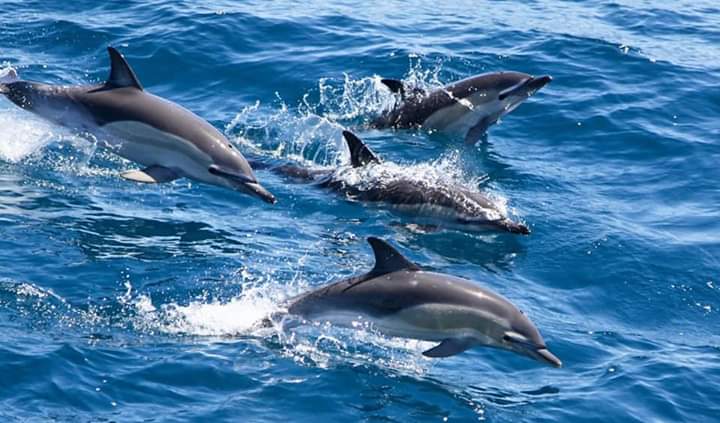
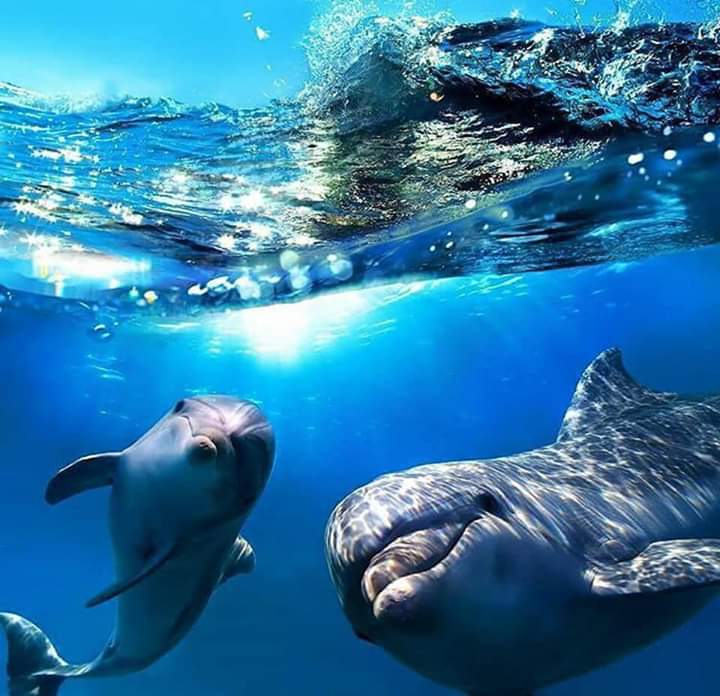
The coastline North of Mombasa is a world of enthralling history and natural beauty. The coast is lined with pristine palm fringed beaches, and the calm inviting waters of the Indian Ocean. The beaches are broken by the wide mouth of Kilifi Creek, whose azure waters are a popular port of call on the international yachting circuit. The beaches of Nyali, Vipingo, Kikambala and Shanzu are home to a wide range of World Class resorts with fine cuisine and services. The peaceful beach havens of Mtwapa and Takaungu offer an ideal escape from the outside world, with endless deserted beaches. offshore reefs are alive with coral, myriad fish, sea turtles and dolphins. Both outer and inner reef walls offer world class diving with spectacular coral gardens and drop offs, and Kenya’s best wreck diving on the MV Dania.
Need Help Planning Your Coast Holiday, Malindi, Lamu, Diani and Mombasa Hotel Bookings?
We would be more than happy to help you. Our travel consultants are 24/7 at your service to help you.
+254 780 997 742
bookings@elegantholidaytours.co.ke